Pigeons and Doves: Columbidae
Physical Characteristics, Habitat, Diet, Behavior And Reproduction, Rock Pigeon (columba Livia): Species AccountsGEOGRAPHIC RANGE, DOVES PIGEONS AND PEOPLE, CONSERVATION STATUS
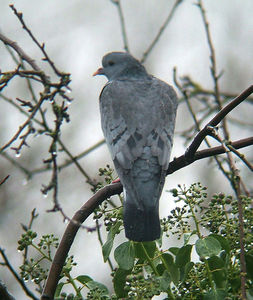
ROCK PIGEON (Columba livia): SPECIES ACCOUNTS
AMERICAN MOURNING DOVE (Zenaida macroura): SPECIES ACCOUNTS
LUZON BLEEDING HEART (Gallicolumba luzonica): SPECIES ACCOUNTS
Pigeons and doves are found worldwide except in the Arctic and Antarctica. There are particularly large numbers of species in Asia, especially Southeast Asia, including on the many islands in that part of the world.
Humans have hunted and raised pigeons for food, as pets, and even to transport written messages.
A third of the 316 existing pigeon and dove species are believed to be Threatened by the World Conservation Union (IUCN). Many of these species occupy small oceanic islands and have very limited ranges. The passenger pigeon, once found in North America in flocks of millions, was driven to extinction by human hunting.
Additional topics
- Flamingos: Phoenicopteriformes - Physical Characteristics, Habitat, Diet, Behavior And Reproduction, Greater Flamingo (phoenicopterus Ruber): Species Account - GEOGRAPHIC RANGE, FLAMINGOS AND PEOPLE, CONSERVATION STATUS
- Woodcreepers: Dendrocolaptidae - Physical Characteristics, Diet, Behavior And Reproduction, Conservation Status, Red-billed Scythebill (campylorhamphus Trochilirostris): Species Account - GEOGRAPHIC RANGE, HABITAT, WOODCREEPERS AND PEOPLE
- Pigeons and Doves: Columbidae - Physical Characteristics
- Pigeons and Doves: Columbidae - Habitat
- Pigeons and Doves: Columbidae - Diet
- Pigeons and Doves: Columbidae - Behavior And Reproduction
- Pigeons and Doves: Columbidae - Rock Pigeon (columba Livia): Species Accounts
- Pigeons and Doves: Columbidae - American Mourning Dove (zenaida Macroura): Species Accounts
- Pigeons and Doves: Columbidae - Luzon Bleeding Heart (gallicolumba Luzonica): Species Accounts
- Other Free Encyclopedias